
Ramanujacharya was a major figure in the development of Sri Vaishnavism. The Bhakti movement was influenced by his ideas about how devotionalism should be based on philosophy. Explains the Sankarites’ theory of illusion by saying that even if you know what is true, you may still be affected by the illusion. Mayavadis say that everything a person sees or hears in a dream isn’t real. Sri Ramanuja says that this isn’t true. Ramanuja was a Hindu theologian and philosopher. Know all about the disappearance day of Shri Ramanujacharya.
He was also a major figure in the development of Sri Vaishnavism within Hinduism. He was born in the Tamil village of Sriperumbudur, Tamil Nadu, to a family of Brahmins. The Bhakti movement was influenced by his ideas about how devotionalism should be based on philosophy. The Disappearance Day of Shri Ramanujacharya is celebrated on January 31 every year.
Tale of Shri Ramanujacharya
A part incarnation of Lords Ananta Shesha and Laxman, Shri Ramanujacharya emerged in the year 1017 A.D. Tundiradesha first showed up in South India at Sriperumbudur, about halfway between Kanchipuram and Madras. He was the son of Asuri Keshava Somayaji, better known as Sarvakratu Diksitar. It is thought that he was either an advaitin or a smarta. His mother was Kantimati, the great Vaisnav Acharya Yamun Acharya’s granddaughter. Sri Ramanuja’s parents gave him the name Ilaya Perumal and taught him the things the South Indian Alwar saints knew. His father, a pandit at the time, led him through most of what he knew. When he was 15, he and his cousin Govinda were sent to Kanchipuram to study with the Advaitin Acharya Yadava Prakash.
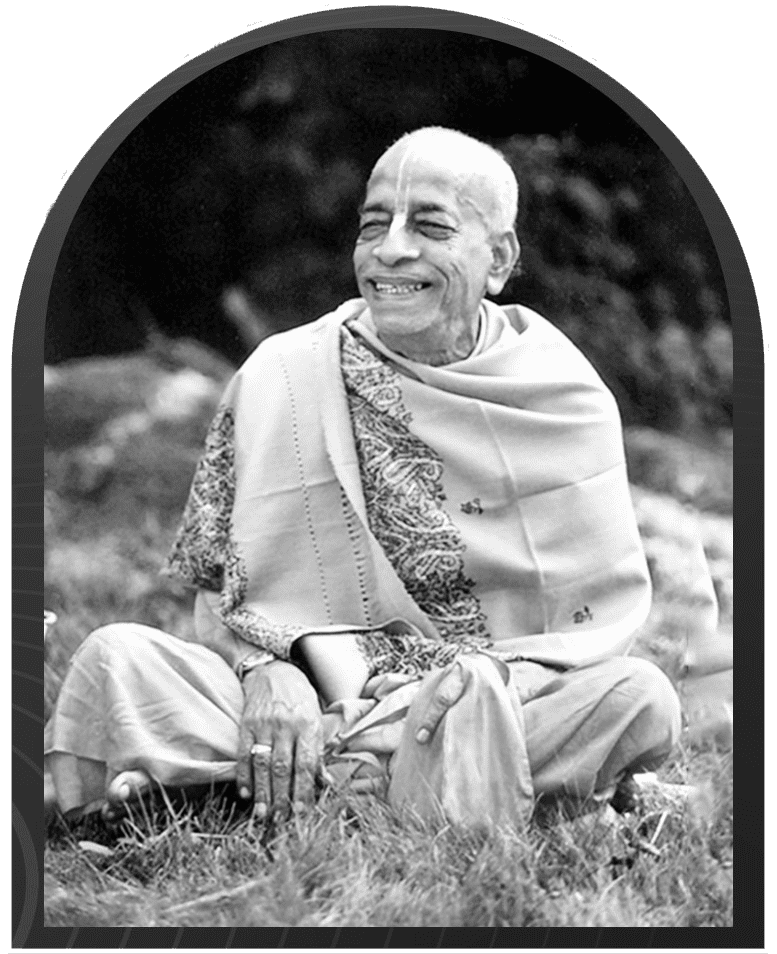
Srila Prabhupada quotes a verse from the famous Alvar saint Yamunacarya, who was Ramanujacarya’s teacher. He connects it to the famous teaching of Sri Chaitanya Mahaprabhu, who told Sanatana Goswami that the eternal position of the jiva (a small individual soul) is to serve Lord Krishna forever.
Theory of Illusion Explained By Sripad Ramanujacharya
Sripad Ramanujacharya explains the Sankarites’ theory of illusion by saying that even if you know what is true, you may still be affected by illusion for a short time, making everyday things look different. But you can’t say that a fallacy has no cause other than itself, its cause is unknown, or it just shows up for no reason. Ramanuja says that if an illusion couldn’t be described or named, then no one would know they were an illusion because they wouldn’t have anything real to compare it to.
Sankara’s “avidya” and “advaitistic” philosophy says that the dream state, the awake state, and the self-state are all unreal and just illusions. But Ramanujacharya says there is a real person in these three states. Even dreams are not entirely false. The awake state is the time when one is aware of their surroundings and can interact with the world using their thoughts and senses. In a dream, the self loses touch with the outside world of the senses and the things in it.
On the other hand, the mind sees a series of images from memory that have nothing to do with logic or reason. At first, the objects were seen, touched, smelled, or heard, and the information was stored in the mind. This is how the mind works; it’s just a reflection of the real world that the mind has seen. It can’t be called an illusion or something that isn’t real.

The Term Mayavadis
The mayavadis say that everything a person sees or hears in a dream isn’t real, just like scriptures aren’t accurate because words can’t describe a spiritual reality. Sri Ramanuja says that this saying isn’t true. It’s not true that dreams aren’t real, but the circumstances are different. For example, the same things can happen in a dream and when you’re awake. One could say that the activities in both states are the same, but “that is the only reason to say that they are the same” (visistadwaita). The dreams of the subtle nature and the activities of the awake state are not the same, but there is a way in which they are the same. It may be the same act, and the same person may see a connection between them. The vision exists only in your dreams and not in the real world. The things seen might not exist in the way they are seen, but they exist somewhere.
One example is that a person might see a golden mountain in a dream. Gold and mountains do exist, but to see a golden mountain? Well maybe! Another example is that sometimes, because of how our eyes work, we might think a rope on the floor is a snake. Ropes and snakes are real things, but considering they are all the same can lead to problems. People fear snakes in dreams, even if it’s just a rope because they’ve seen how dangerous snakes can be in real life.
What are the Three Ways of Understanding the Truth?
There are three ways to understand the truth, and Sripad Ramanujacharya says that without a doubt, one must accept “Sruti pramana,” or Vedic literature. “Anuman pramana,” which means reasoning or inference, can also be accepted if it agrees with “Sruti” and “pratyaksa pramana,” which means sensual perception, can also be taken as an authority in this matter if it agrees with “Sruti pramana.” Even though “anuman” and “pratyaksa” can be argued about, “Sruti” is the absolute truth because it came from the Supreme Lord. This is the main idea behind Sripad Ramanujacharya’s “Visisthadwaita” philosophy: everything is based on what Lord Krishna has said or done.
Shri Ramanujacharya Focused on Quality and Qualification
In his Sri Bhasya commentary on the Vedanta Sutra, Sripad Ramanujacharya makes this claim “For those who believe that God is the highest and most important reality, the one who can make all these universes while dreaming in the Karana Ocean. Who is praised in the Vedic literature all-knowing and free of all flaws, and who is the personification of all good qualities, with a body made of eternity, knowledge and happiness? What can dull-witted arguments or blunt senses do for these lucky Vaisnavas? The Supreme Personality of Godhead made all the universes for His pleasure, and the tiny living entities (called Jivas) can enjoy this world by serving the Lord or doing their things, leading to crime and more conditioning in the world of birth and death. Krishna consciousness shows the results of a person’s actions by letting the senses and objects come into contact with each other. These results can be happiness or sadness. Because of the action, the result happens for a certain amount of time.”
Conclusion
Before he left his body, Ramanujacharya gave 74 last instructions, all of which had to do with helping Vaishnavas. For example, one should make delicious food and make them so happy that they smile. One should massage their leg until one falls asleep. One should walk with them to the end of the village and then nine steps beyond, and then pass out from being so sad to leave the Vaishnavas. The two most important things he told them were to surrender to the guru and to serve the Vaishnavas. You can do Mantra meditation at the ISKCON temple.