
Living in Dwarka means living at full speed. Between the packed metro at Sector 10, the summer heat that settles over the colony like a lid, and the foggy winters that last longer than anyone wants, most families in this part of Delhi are running on routine and not much else. People in and around Delhi NCR know this exhaustion well: physically present but mentally somewhere distant, carrying a weight that neither sleep nor a weekend fully lifts.
Mantra meditation does not ask you to escape this life. It asks you to find stillness inside it.
The Role of Mantras in Bhakti Tradition
The Bhakti tradition does not see the Divine as far away or abstract. The devotee’s relationship with the Lord is personal and grows stronger through daily practice. A mantra is a way to call the Lord by name with full attention.
Why Sacred Sound Is Central to Vedic Practice
The Vedic scriptures speak of shabda, sacred sound, as one of the most direct means of spiritual connection. When a mantra is chanted with genuine focus, it moves beyond ordinary speech into a prayer. The Brihan-naradiya Purana states that in this age of Kali, chanting the holy names of the Lord is the most complete and accessible path to spiritual progress. This is not a workaround. It is the recommended path.
Why Mantra Chanting Is Important for Spiritual Growth
Most people who come to mantra meditation arrive with a problem rather than a philosophy. The mind will not settle, life feels uncentred, or there is a persistent sense that something essential is missing, despite everything appearing outwardly fine.
Mantra meditation works by giving the mind something worthy to hold on to. When attention is fully placed on hearing and repeating the mantra, the habitual mental noise loses its grip. This is not suppression. It is a redirection toward something with real weight.
What changes with regular practice:
- The mind learns to return. Each time you bring your attention back to the mantra after it has wandered, you are doing the foundational work of spiritual discipline. Repeated daily, this builds a genuine inner steadiness.
- Consciousness gradually clears. Vedic teaching holds that the Lord’s name carries the same potency as the Lord Himself. Chanting regularly is understood as direct purification, not symbolic but actual.
- Devotion becomes lived rather than theoretical. Bhakti does not arrive as a sudden feeling. It grows through repeated, sincere practice, and mantra meditation keeps the Lord present in ordinary daily moments.
This practice also fits inside real Delhi life. Japa can happen on the Metro between Dwarka Sector 10 and Rajiv Chowk, in the quiet before the household wakes, or during a walk through the sector. It does not ask you to pause your life to begin.
The Spiritual Significance of Hare Krishna Chanting
The Hare Krishna Maha-mantra is:
Hare Krishna
Hare Krishna
Krishna Krishna
Hare Hare
Hare Rama Hare Rama
Rama Rama Hare Hare
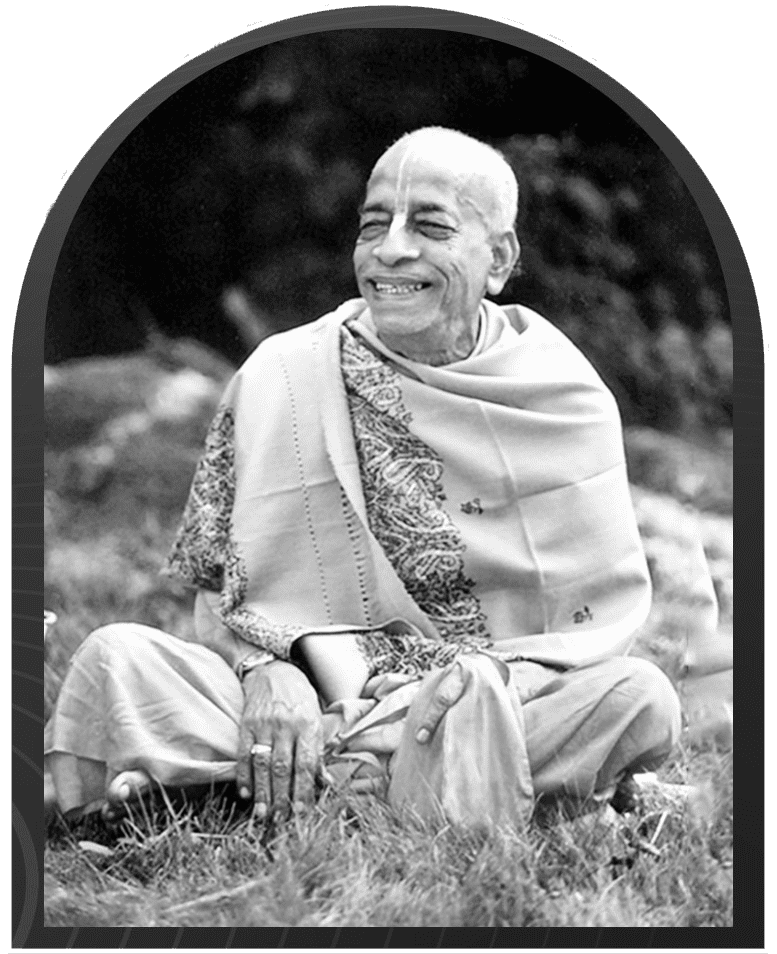
Srila Prabhupada, acharya-founder of the Hare Krishna Movement, explained each name carefully. “Hare” addresses Hara, the Lord’s pleasure potency. “Krishna” refers to the all-attractive Supreme Person. “Rama” points to the Lord as the source of all spiritual joy. Together, the mantra is a prayer of surrender: Please, Lord, engage me in Your service and do not let me forget You.
Who Can Begin Hare Krishna Chanting
Hare Krishna chanting belongs to the tradition of Nama-sankirtana, the chanting of the holy names. Unlike many spiritual disciplines, it requires no years of preparation, no specific posture, and no particular prior knowledge. You begin where you are, and the practice moves you from there.
The Experience of Chanting at ISKCON Dwarka
ISKCON Dwarka is located in Sector 13, behind the Radisson Blu Hotel, serving one of Delhi’s most densely populated residential corridors. The families here deal with the same city everyone else does: winter pollution, summer heat, noise that never fully stops. The ISKCON temple sits inside that reality and offers something different within it.
When you walk into the temple hall, the kirtan reaches you first. The mridanga, the kartals, the voices before the deities of Sri Sri Rukmini Dwarkadhish, the incense, all of it together creates a shift that is immediate and hard to describe accurately in advance.
Daily Kirtan and Mantra Meditation at ISKCON Dwarka
The temple runs a daily programme built entirely around devotional worship and mantra meditation.
| Programme | Purpose |
| Mangala-Aarti | Pre-sunrise worship that anchors the devotional tone of the day |
| Tulasi Puja | Prayer around the sacred Tulasi plant; a moment of quiet attention |
| Srimad-Bhagavatam Class | Daily Vedic study in the context of Bhakti philosophy |
| Evening Aarti and Kirtan | Congregational chanting is open to everyone, no experience needed |
| Saturday-Sunday Love Feast | Weekly community gathering with kirtan, discourse, and prasadam |
The Saturday-Sunday Love Feast, started by Srila Prabhupada as a way of drawing people into devotional life through community, draws residents from Dwarka, Palam, Uttam Nagar, and Janakpuri every week. First-time visitors sit alongside long-time devotees. The atmosphere is open, and the collective chanting in the hall has an energy that solo japa takes time to replicate.
How to Start Your Hare Krishna Chanting Practice
A common assumption is that beginning a spiritual practice requires some preparation: reading books, answering questions, and adjusting one’s mindset. The Bhakti tradition does not hold this view. The consistent teaching is to begin, and let understanding follow the practice.
A practical way to start:
- Collect a set of japa beads from the Matchless Gifts Shop at ISKCON Dwarka. One round is chanting the full Maha-mantra once on each of the 108 beads.
- Fix a morning time, even fifteen minutes, before the rest of the day begins.
- Chant with the intention of hearing the mantra rather than completing rounds. The quality of attention matters more than the quantity of repetitions.
- Attend the evening kirtan at the ISKCON temple alongside your personal japa. The two practices serve different purposes and strengthen each other.
Hare Krishna chanting does not require a changed life before you begin. It asks only for sincere attention and the willingness to return to the practice each day.
Benefits of Hare Krishna Chanting for Spiritual Connection
The Bhakti tradition is clear about why one chants. The purpose is love for the Lord and service to Him, not personal wellness. What long-time practitioners describe, however, is a life that becomes less governed by anxiety and more grounded in something steady.
What regular chanting brings:
- A quieting of mental restlessness that builds gradually over time
- Greater patience in relationships and daily interactions
- A sense of purpose that no longer depends entirely on external outcomes
- A growing inclination toward prasadam, devotional company, and quiet mornings
ISKCON Dwarka, functioning as an ISKCON Temple NGO, extends this practice beyond the individual. The Hare Krishna chanting that anchors personal devotion also sustains the temple’s Food for Life programme and its counselling work with youth. Mantra meditation is not separate from this service. It is what makes the service sustainable over time.
Begin Where You Are
The Maha-mantra sounds every morning and evening in Sector 13 without interruption. If you live in Palam, Janakpuri, or Uttam Nagar in West Delhi, the ISKCON temple is within easy reach.
Come for one evening of kirtan. Do not worry about knowing the words or having prepared anything beforehand. Sit with the chanting and let it do what it has always done for those who give it their attention.
Connect with ISKCON Dwarka:
- Attend the evening aarti and kirtan for a first experience of congregational Hare Krishna chanting
- Join the Saturday-Sunday Love Feast for prasadam, Bhagavad-Gita discourse, and community
- Participate in the festivals and programmes at the ISKCON temple throughout the year
- Support the ISKCON Temple NGO’s Food for Life and counselling work through donations
The Practice Is Waiting. So Is The Lord.