
If you live in Dwarka or have spent any time in this part of Delhi, you already know what the ISKCON Dwarka temple means to this neighbourhood. On summer mornings when the heat rises before the city wakes up, the Mangala Aarti is already underway at the Rukmini Dwarkadhish Temple in Sector 13. On monsoon evenings when the sub-city streets fill with rain, families still come for the evening Aarti. The temple does not close when life gets difficult.
Many devotees still hesitate to donate money for temple construction. They wonder whether their contribution is spiritually valid, or too small to matter. These are fair questions that deserve direct answers.
Spiritual Importance of Temple Construction Donations
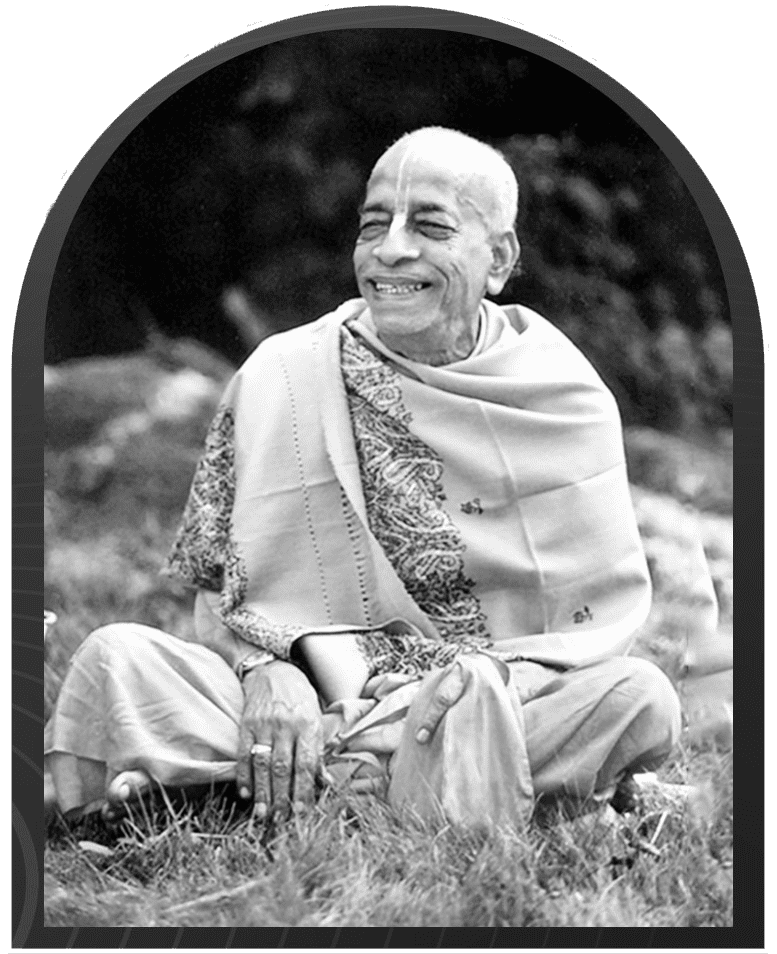
In Vedic thought, a temple is called a tirtha because it is where the distance between the material world and the spiritual one shrinks. Srila Prabhupada, the founder acharya of the Hare Krishna Movement, was specific about what this means for donors. He taught that whoever builds a temple for the Lord earns the merit of every soul who worships there. Not a share of it. All of it.
This is not a minor point. Think about what happens at an ISKCON temple on any given day:
- A student arrives stressed and leaves with some steadiness after sitting through Aarti
- A family attends Janmashtami, and their child hears the Bhagavad Gita for the first time
- An older adult who lives alone finds community over prasadam
- A young person in difficulty walks into a counselling session that shifts the direction of their life
All of this happens because the temple exists. And the temple exists because someone donated to its construction. The punya from every one of those moments flows back to the giver. This is what the Gita calls nishkama karma in Chapter 3, action performed without selfish motive, which produces fruit that motivated action simply cannot.
The Spiritual Meaning Behind the Art of Giving
Most Indian families grow up hearing the word daana before they fully understand it. The art of giving is woven into how we mark births, deaths, and marriages. Chapter 17 of the Bhagavad Gita takes it further and names three kinds of charity. The highest, giving in the mode of goodness, means offering to a worthy cause at the right time, with nothing expected back.
Why Temple Donations Sit in a Category of Their Own
Most forms of charity, however good, benefit a specific group for a specific period. You feed someone today. You pay school fees for one year. Temple construction is different because the benefit does not stop.
- The temple serves people long after the donor is gone
- The act of giving is directed toward Krishna Himself, not toward any human recipient
- Every subsequent prayer, every Aarti, every prasadam distribution becomes part of what your donation made possible
When you donate money toward an ISKCON temple, you are not settling a transaction. You are becoming part of a continuing act of worship.
How Online Donation India Makes Temple Support Easier
One concern that comes up often among devotees in the outer sectors of Dwarka, or in bordering areas like Uttam Nagar and Najafgarh, is access. The sub-city is large, and traffic on the Dwarka Expressway is unpredictable.
ISKCON Dwarka has made giving easier through a reliable online donation system in India. It is receipt-supported, transparent, and eligible for tax exemption. Devotees can also set up a recurring bank contribution to ensure their seva runs continuously.
The donation programmes currently available are:
| Seva Programme | What It Supports |
| Sudama Seva | Tiles and construction for the Rukmini Dwarkadhish Temple |
| Food for Life | Daily free meals for people in need |
| Shravan Kumar Seva | Care and service for elderly devotees |
| Bhagavad Gita Seva | Gita distribution to seekers across India |
| Prasadam Donation | Sacred food presented to the Lord and then distributed |
| Ekadashi Donation | Service on the twice-monthly sacred day |
For the temple construction specifically, the Sudama Seva programme is the direct path. As of early 2026, it has nearly reached its tile target for the Rukmini Dwarkadhish Temple, and the opportunity to help complete it is still open.
Support the Temple Construction Through Sudama Seva
Benefits of Donating to Temple Construction
There are three ways to think about what a devotee gains, and none require you to take anything on faith.
Spiritually, you join every giver who has contributed to a temple on Indian soil. The punya is not symbolic; the Gita is clear that actions without a selfish motive produce results that motivated action cannot.
On the community side, ISKCON Dwarka runs well beyond the prayer hall. The Delhi government recognised it as a Mother NGO for its COVID-19 relief work, and the Cultural Ministry awarded it for youth counselling and anti-addiction services. These programmes exist because devotees chose to donate money toward something larger than their own household.
Practically, your donation comes with a tax-exempt receipt, a transparent record of how it was used, and the clarity that comes from doing something with no strings attached.
Inspiring Others Through the Art of Giving
Dwarka was built to house millions of people from across India. Many families here grew up in towns where a temple was always within walking distance. In this planned sub-city, still finding its spiritual footing, the ISKCON temple fills that gap.
When you practice the art of giving openly, your children see it. When you mention to a friend that you donated toward temple construction, that conversation carries its own small weight. The Gita does not say that only the wealthy can give. A gift offered with faith and a clean heart carries full merit, regardless of its size.
Your Contribution Has a Place Here
The Rukmini Dwarkadhish Temple will stand in this sub-city for generations. Long after today’s construction dust has settled, it will be where Dwarka’s families come for Janmashtami, Radhashtami, and the quiet of a Tuesday morning Aarti. Your donation toward its temple construction makes you part of that foundation in the most lasting sense.
Giving toward a temple is not a sacrifice of something you have. It is a decision about what you want to be part of.