
Many Indian families carry a quiet reverence for Gau Mata, the kind passed down without explanation. You simply knew the cow was sacred, that she was not to be harmed. But somewhere between that knowing and daily urban life, the practice of actually caring for her got left behind. A donation for a cow at ISKCON Dwarka is how that reverence becomes real again.
The Ancient Vedic Roots of Cow Donation
The cow has held a central place in Vedic life for thousands of years, and the scriptures are specific about why.
The Rig Veda addresses the cow as aghnya, meaning one who must never be harmed. The Mahabharata places Go-daan, the gift of a cow, among the most meritorious acts a person can perform. The Bhagavata Purana directly links Krishna to cow herding, meaning that every act of Gau seva is, at its root, an act of devotion to Him personally.
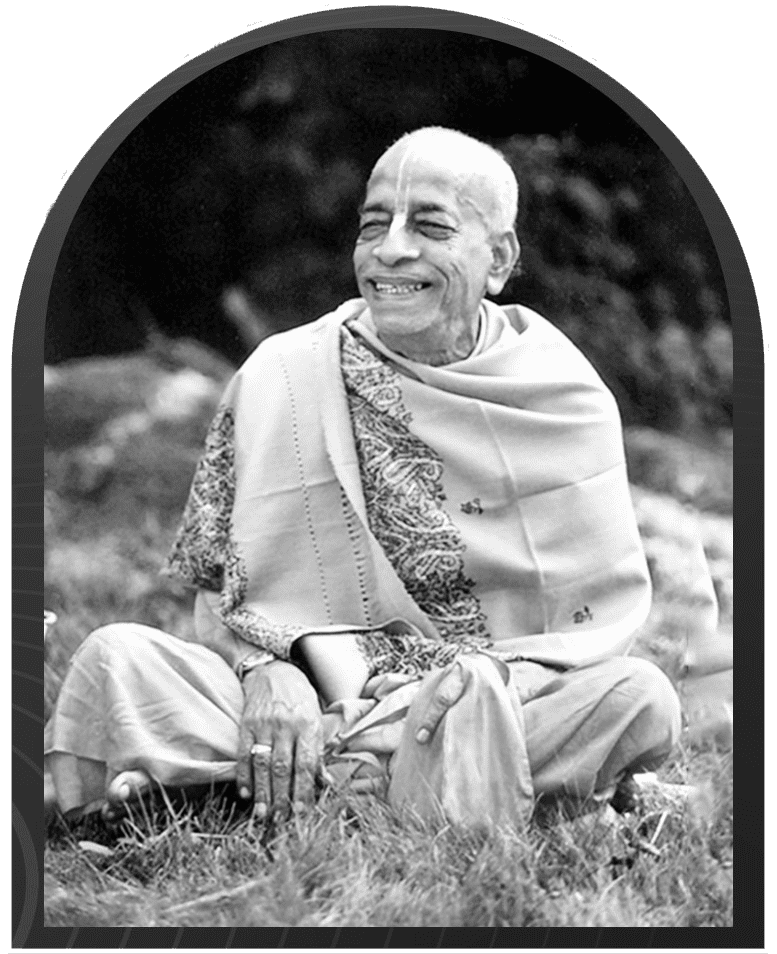
Srila Prabhupada, the founder-acharya of ISKCON, taught that a society which neglects its cows has disconnected itself from dharma. He built cow protection into the foundation of every ISKCON temple community because he understood what the scriptures made plain: the welfare of cows and the spiritual health of a community are inseparable.
What Donation for Cow Actually Means Today
The honest reality is that most Indian families today cannot keep or care for a cow personally. Urban life makes it impossible to ensure she gets clean fodder, veterinary attention, and a full natural life.
This is the gap a well-run Gaushala fills. When you make a gau seva donation, you are directly providing for a living cow: her fodder, her shelter, her medical care, and the hands that tend to her every day.
What your donation for gaushala covers:
| Area | What It Provides |
| Daily fodder and water | Green grass, hay, and clean water through every season |
| Veterinary care | Regular health checkups, medicines, and emergency treatment |
| Shelter | Clean, maintained sheds that protect cows from summer heat and winter cold |
| Trained sevaks | Caretakers who follow Vedic practices in how the cows are handled daily |
| Temple seva | Panchagavya and fresh milk are used in rituals, yajna, and deity bhog |
This is what cow protection donation looks like when it is organised with genuine accountability.
Understanding Gau Seva Donation and Its Spiritual Rewards
The Skanda Purana states that feeding, protecting, or financially supporting a cow earns punya equivalent to performing an Ashwamedha Yajna. What makes gau seva donation unlike most other forms of giving is the continuity of merit. The punya does not stop when you donate. It continues every single day that the cow is alive and cared for because of your contribution.
Why does the Gau Mata donation carry this weight in the Vedic tradition?
- All thirty-three crore devas are said to reside within the body of the cow, so caring for her is an act of reverence toward the entire divine order.
- The cow is considered the earthly form of Surabhi, the divine cow of Vaikunth.a
- Cow donation is listed among the Pancha Mahadaan, the five great gifts, in the Dharma Shastra.
- Krishna spent his childhood as Gopal, the protector of cows, so this seva connects you to Him in the most direct way possible.
The Role of Gaushala in Preserving Vedic Culture
Not long ago, the Gaushala was at the centre of Indian village life. Cows gave milk that fed families. Panchagavya was central to Ayurveda and to every major yajna. That world has thinned out. In modern India, cows that stop producing milk are abandoned on roads, left to eat garbage, or quietly sold to slaughter. A donation for a gaushala is a direct answer to this. A well-run Gaushala takes responsibility for the cow’s full life, treating her as Gau Mata rather than a resource to discard. At ISKCON Dwarka, this flows directly from Srila Prabhupada’s insistence that cow protection and Krishna consciousness belong together.
Auspicious Occasions to Make Your Cow Donation
Timing a gau mata donation to a sacred occasion considerably deepens its merit. The Vedic calendar is generous with such moments.
- Gopastami, observed in the Kartik month, is the day Krishna formally took on the role of cow protector in Vrindavan. It is the most directly auspicious occasion for cow donation ISKCON-wide.
- Govardhana Puja, the day after Diwali, commemorates Krishna lifting Govardhan Hill to shield the cows and villagers of Braj.
- Janmashtami, Krishna’s birthday, is a deeply meaningful day for any cow protection donation, given that He was Gopal by identity.
- Ekadashi, which arrives every fortnight, is observed at ISKCON Dwarka with an active donation program. Pairing it with a gau seva donation aligns two powerful acts of devotion.
- Shraadh days and death anniversaries are occasions when many families choose to donate to Cow India-wide, dedicating the merit to the soul of a departed loved one.
The Impact of Your Donation for Gaushala at ISKCON Dwarka
ISKCON Dwarka has been recognised as a Mother NGO by the Delhi Government, holds an India Book of Records entry for food distribution, and has been awarded by the Cultural Minister of India for youth counselling services. When you make a cow donation ISKCON-backed, this track record matters. It means your contribution goes to an institution that takes seva seriously.
The Gaushala here is directly connected to temple life. Panchagavya and fresh cow’s milk are used in daily rituals and offered as bhog to the deities. The cows are active participants in the community’s spiritual practice.
How to Make Your Donation for a Cow at ISKCON Dwarka
Visit iskcondwarka.org/donation to donate securely online. All contributions are eligible for tax exemption. For those who want their gau seva donation to continue monthly, ISKCON Dwarka has partnered with ICICI Bank to enable an e-NACH mandate that automatically handles recurring giving. You can also walk into the ISKCON temple at Dwarka Sector 13 and speak with the seva coordinators in person, or write to info@iskcondwarka.in for any queries.
Whether you make a one-time cow donation on Gopastami or set up a monthly cow protection donation, the act carries the same Vedic sincerity. A cow is alive, cared for, and living with dignity because you chose to act.
Make your gau seva donation today and honour the tradition your family has always kept close.