
Many people who feel drawn to bhakti spend months thinking about starting rather than actually doing so. The questions pile up fast. Which mantra? How many times? Does pronunciation matter? Do you need a guru first?
The Vaishnava tradition has a clear answer to all of this: begin now, with what you have.
The Krishna mantra does not require perfection. It requires sincerity. This guide covers what a beginner needs to know, in plain terms, so you can stop thinking about it and actually start.
What Is a Krishna Mantra?
A Krishna mantra is a sacred name or phrase addressed to Lord Krishna, chanted aloud or silently as a form of devotional meditation. The word comes from the Sanskrit “manas” (mind) and “trana” (liberation), meaning it is something designed to free the mind from its restlessness.
In the Vaishnava tradition, the names of Krishna are not symbols of the divine. They are considered non-different from Krishna Himself. This is a foundational teaching at every ISKCON temple, including ISKCON Dwarka, and it changes how you understand the practice. Chanting is not a warm-up to devotion. It is devotion itself.
Benefits of Chanting the Krishna Mantra
People come to chanting for different reasons, and what they find tends to be more than they came looking for. The benefits of Krishna mantra practice described in the Bhagavad Gita and Srimad Bhagavatam are not abstract promises. They are practical shifts in how the mind works and how daily life feels.
What changes with steady practice:
- Mental Steadiness: Japa gives the mind a fixed point. Over weeks of regular practice, the background anxiety most people have simply learned to live with starts to loosen.
- Clarity of Purpose: Chanting regularly shifts focus inward. Situations that once felt overwhelming become easier to navigate with a steadier mind.
- Purification of Consciousness: Vedic scripture holds that the names of Krishna carry a purifying quality that does not depend on where someone is in their spiritual life. A beginner benefits as genuinely as someone who has been practicing for years.
- A Living Community: One of the less-talked-about benefits of Krishna mantra practice is that it connects you to a tradition that is still fully alive. Chanting in satsang with others, as done at ISKCON Dwarka, carries a different quality than chanting alone.
Popular Krishna Mantras for Beginners
Knowing which mantra to begin with saves a lot of confusion. Here are the three most commonly practiced at an ISKCON temple:
| Mantra | Recommended For |
| Hare Krishna Maha Mantra | Daily japa, complete beginners |
| Om Namo Bhagavate Vasudevaya | Morning meditation, focused sitting |
| Govinda Jai Jai, Gopala Jai Jai | Group kirtan, festive occasions |
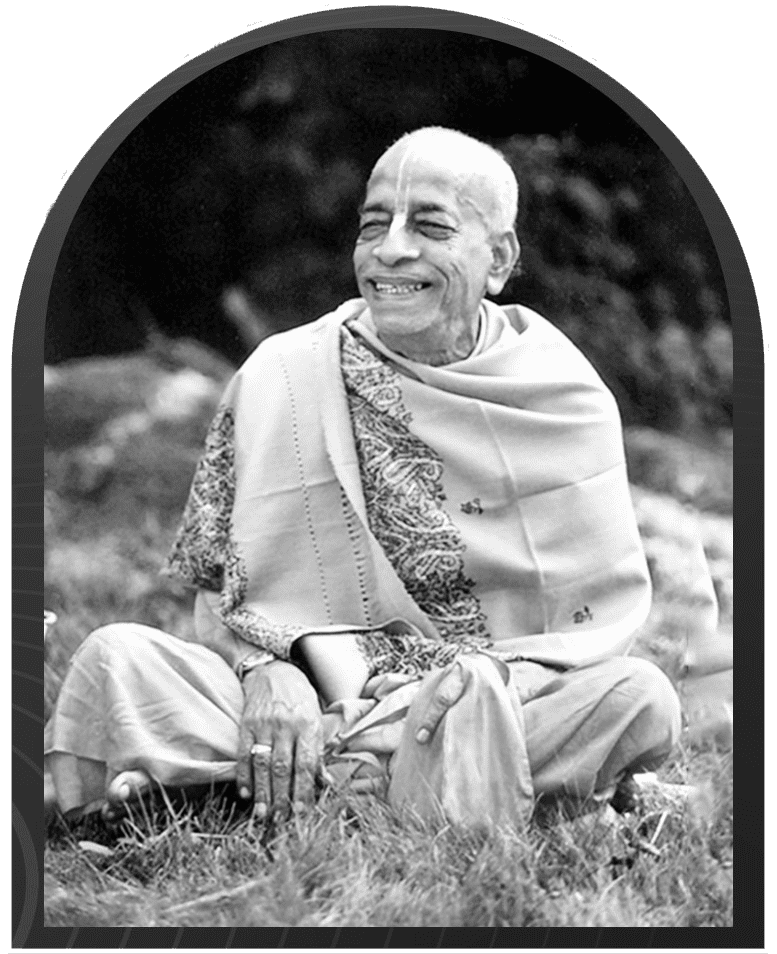
For beginners, the Hare Krishna Maha Mantra is always the starting point for the Krishna mantra. Srila Prabhupada, the founder of ISKCON, described it as the most complete and accessible practice for this age. It is the mantra chanted daily at ISKCON Dwarka during morning programs, kirtans, and the weekly Love Feast.
How to Start Chanting the Krishna Mantra
Starting is simpler than most people expect. The structure below is how devotees across the ISKCON tradition have been introduced to the practice for decades.
Step-by-step for beginners:
- Fix a time and protect it. Early morning, before the day begins, is the traditional time for japa. If mornings are difficult, any quiet window works. Consistency matters far more than timing.
- Sit with a steady back. A chair is perfectly fine. The point is to be alert, not rigid. Lying down tends to lead to sleep, which is not the goal.
- Pick up your japa mala. Understanding how to use a mala for chanting is straightforward. Hold the mala in your right hand, draped over your middle finger. Start at the bead next to the sumeru, the larger head bead. Use your thumb to pull each bead toward you after chanting the full mantra once.
- When you return to the sumeru, one round of 108 repetitions is complete. Do not cross over the Sumeru. Turn the mala around and begin the next round in the opposite direction.
- Chant each word clearly. The practice of chanting the Krishna mantra correctly is less about accent and more about attention. Pronounce each word distinctly and listen to yourself chant. In the bhakti tradition, hearing the mantra is considered as important as saying it.
- Set a goal you can actually keep. One to four rounds daily is a realistic starting point. Committing to sixteen rounds before the habit is established tends to create guilt rather than progress. Build gradually.
Tips for Consistent Practice
The hardest part of learning how to chant the Krishna mantra is not the chanting itself. It is keeping the practice going after the first week.
- Place your japa mala somewhere you will see it immediately when you wake up. Small friction is enough to break a new habit.
- Attend group programs regularly. The Saturday-Sunday Love Feast at ISKCON Dwarka includes group chanting, scripture discussion, and prasadam. Chanting in a room full of sincere practitioners does something that solo practice cannot fully replicate.
- Connect with a devotee or counselor through ISKCON Dwarka’s counseling program. Having someone to ask questions and report progress to makes a genuine difference in the early months.
Common Mistakes to Avoid
- Rushing Through Rounds: Speed reduces the quality of attention, which is the whole point of the practice. Slower is better.
- Chanting Without Listening: Moving the mala while the mind is elsewhere is not japa. Even ten minutes of genuinely attentive chanting is more valuable than an hour of mechanical repetition.
- Skipping the Mala: Knowing how to use a mala for chanting and actually using it keeps the mind present in a way that silent mental chanting alone does not for beginners.
- Waiting for the Right Moment: The tradition is clear on this. There is no prerequisite for beginning. You start, and the practice teaches you as you go.
Begin Your Chanting Journey
The Krishna mantra asks very little to begin. A mala in your hand, the names of Krishna on your lips, and a few minutes each day that you commit to protecting. That is the whole entry requirement.
If you want to learn in the company of a practicing community, visit ISKCON Dwarka. Walk in during darshan, join a program, or attend the Love Feast on the weekend. The path of bhakti has always been open. The question is simply when you choose to walk it.
Visit ISKCON Dwarka and begin your chanting practice today.