Caturmasya is a four-month stretch in the Vaishnava calendar that begins on Sayana-ekadasi in Ashadha (June-July) and runs through Utthana-ekadasi in Kartika (October-November). Devotees use this time to take up vows and austerities that curb sense gratification and build devotion. Every devotee is expected to observe Caturmasya, householder or renunciant alike, and the observance entails dietary restrictions and other practices meant to keep life sattvic, or pure.
Spiritual Significance of the Caturmasya Observance
Caturmasya exists to draw attention away from material things and back to spiritual life. Devotees believe Lord Vishnu spends this period in deep sleep (Yoga Nidra) on the serpent Ananta, a stretch of time meant for introspection and renewal. Observing it is said to bring a devotee closer to the divine.
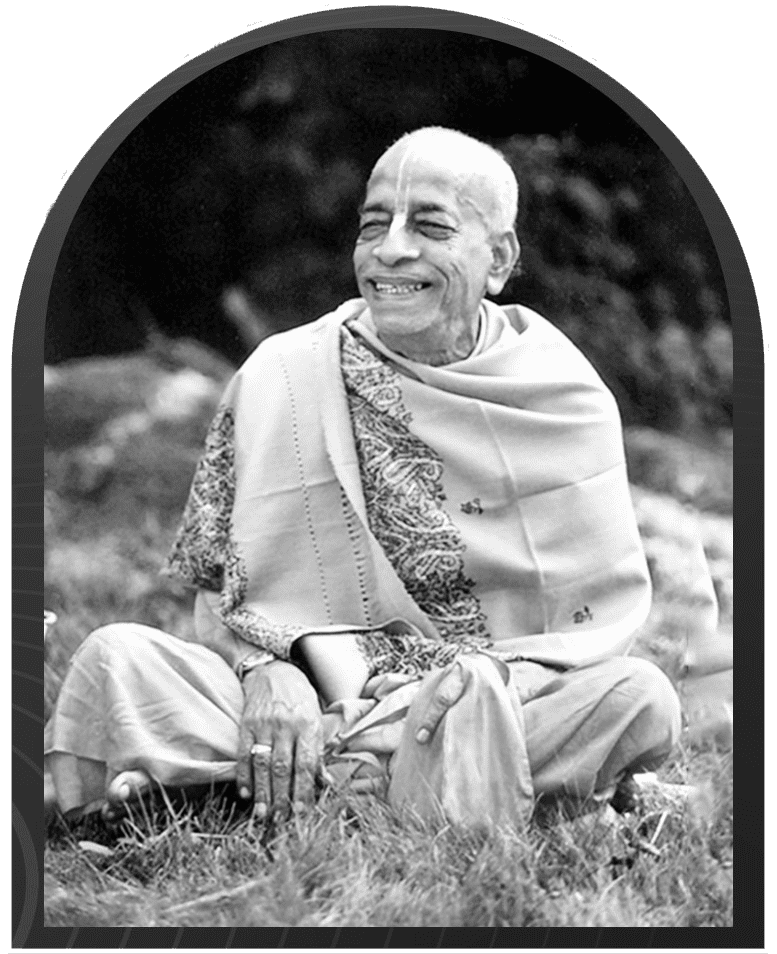
Srila Prabhupada put it plainly: “All sections of the population should observe Chaturmasya. It does not matter if one is a grihastha or a sannyasi. The observance is obligatory for all dramas.” This is a reminder that the period calls for spiritual discipline at every stage of life.
Also, know about the untold fact we should all know about Lord Krishna and Radha.
Traditional Rituals and Practices
Caturmasya carries a set of Vedic practices meant to build devotion and discipline, from fasting to dietary changes to other austerities:
Fasting and Dietary Restrictions
- First Month (Sravana, July 29 to August 27): No green leafy vegetables.
- Second Month (Bhadra, August 28 to September 26): No yoghurt.
- Third Month (Asvina, September 27 to October 24): No milk.
- Fourth Month (Kartika, October 25 to November 23): No urad dal or other high-protein foods.
Observances and Austerities
- No Salt: sweetens the voice.
- No Oil: prolongs life and promotes progeny.
- No Oil Massages: enhances bodily beauty.
- No Cooking With Oil: helps in overcoming enemies.
- No Liquorice and Oil: brings wealth.
- Avoiding Unoffered Flowers: leads to becoming a Vidyadhara in Devapura.
- Giving Up Six Tastes (spice, sour, bitter, sweet, salty and harsh): prevents ugliness, bad smell and bad birth.
- Practising Yoga: leads to Brahmaloka.
- Avoiding Betel Nuts: promotes happiness.
- Eating Raw Fruits and Vegetables: It ensures purity.
- Avoiding Honey: increases lustre.
- Refraining From Yoghurt or Milk: attains Goloka.
- No Cooking with Earthen Pots: result unclear.
- Avoiding Hot Food: ensures a long life for offspring.
- Sleeping on the Ground or on Stone: leads to becoming an associate of Vishnu.
- Avoiding Meat and Honey: leads to becoming a yogi and muni.
- No Intoxicating Liquors: increases power and disease resistance.
- Ritualistic Fasting for One Day: results in honour in Brahmaloka.
- Avoiding Cutting Hair and Nails: equates to the benefit of daily bathing in the Ganges.
- Avoiding Speaking of Grama Katha (idle talk): ensures one’s orders are always obeyed.
- Eating Food on the Ground Without Dishes: results in obtaining a kingdom on Earth.
- Chanting the Mantra “Namo Narayana”: is equivalent to giving charity 100 times.
- Giving Prayers to the Lord: is the same as giving cows in charity.
- Touching the Lotus Feet of the Deity: leads to success.
- Cleaning the Temple of the Lord: ensures kingship for a Kalpa.
- Circumambulating the Temple Three Times and Offering Prayers: ensures a swan aeroplane ride to Vaikuntha at the time of death.
- Singing or Playing Musical Instruments in the Temple: leads to Gandharvaloka.
- Taking Pleasure in Studying the Sastras: leads to Vishnuloka.
- Water sprinkled in the Temple: leads to the Apsaraloka.
- Taking a bath in a Holy Place: purifies the body.
- Worshipping Lord Vishnu with Flowers: leads to Vaikuntha.
- Eating Panchagavya: equals observing candrayana fasting.
- Eating One Meal a Day: equals performing an Agnihotra.
- Eating at Night Only: equals visiting all places of pilgrimage.
- Eating at Noon Only: leads to Devaloka.
- Taking Food Not Obtained by Begging or Extraneous Endeavour: equals opening water stands and digging wells.
- Taking a Bath Daily: ensures one never sees hell.
- No Eating on a Plate: equals bathing at Pushkara.
- Eating on a Leaf: equals living at Kurukshetra.
- Eating on a Stone: equals bathing at Prayag.
- Giving Up Drinking for Six Hours: prevents diseases.
Benefits of Observing Caturmasya
Observing Caturmasya brings both spiritual and material benefits:
Devotion and Spiritual Growth
Less sense gratification is the whole point here, and it leaves more room for spiritual practice. Caturmasya is the period when devotees press reset, recommit to spiritual life, and grow closer to the divine. The vows and austerities help purify the mind and body, so staying focused on devotional activity comes a little more easily.
Physical and Mental Purification
The dietary restrictions and austerities of Caturmasya work on the body and mind. Cut out certain foods, practice some self-control, and the body detoxifies while the mind settles down. That purification isn’t just a side effect either; it’s what clears away distractions and sharpens focus for devotional practice.
Fasting and Dietary Guidelines
Fasting and dietary restrictions sit at the centre of the Caturmasya observance. Devotees follow specific guidelines each month to observe this sacred period properly.
Donate Now
First Month: Sravana (July 29 to August 27)
In the first month, devotees give up green leafy vegetables such as spinach. This keeps the diet sattvic and helps cut down bodily heat, which is useful during the rainy season.
Second Month: Bhadra (August 28 to September 26)
In the second month, devotees refrain from yoghurt. It’s generally healthy, but yoghurt can raise mucus production, which isn’t ideal at this point in the year. Skipping it keeps the diet balanced and digestion running smoothly.
Third Month: Asvina (September 27 to October 24)
The third month means giving up milk. It’s a heavier food, and as the weather shifts, that extra weight can slow digestion down. Cutting it out keeps the diet light, which suits spiritual practice better.
Fourth Month: Kartika (October 25 to November 23)
In the final month, devotees avoid urad dal and other high-protein foods. These are tamasic foods, the kind that dull the mind and body, so cutting them out keeps the diet light and sattvic, and that lightness is what supports spiritual growth.
Embracing the Spirit of Caturmasya
Caturmasya does something few practices manage: it deepens devotion while actually growing you spiritually, not just talking about it. Stick to the monthly dietary restrictions and austerities, and the mind and body start to clear out. Devotion deepens. The divine feels a little closer. That’s not a coincidence; it’s what self-control, discipline and dedication actually do when you put them into practice.
So as this season begins, lean into it. All of it, the austerity and the devotion both. Pull back on sense gratification, keep your focus on spiritual practice, and higher consciousness stops being an abstract idea. This is the moment to renew that commitment and hold onto it.
Also, Know about What Is Moksha and How We Attain It