
A Vaishnava should always vow to fast on the day fourteenth of the dark fortnight of the month of Phalguna (February–March) for the delight of Lord Shri Krishna. The night of Lord Siva is known as Shiva Ratri. Anyone who skips fasting on Shiva Ratri, often known as the “night of Lord Siva,” comes off as rude. Here, it is revealed what transgressions one commits by not fasting on Shiva Ratri day. Lord Narayana, the Supreme Personality of Godhead, will undoubtedly reach the spiritual world. But if someone harbours envy toward Lord Shri Siva, they cannot enter the spiritual realm. Following vaishvanism, one’s devotion to Lord Krishna grows if one observes a fast on Lord Siva’s night (Shiva Ratri day), thanks to Lord Siva, who is diving into the ocean of mellow devotion to Lord Krishna. Let’s do a celebration of Maha Shivaratri with ISKCON Dwarka.
What are the Glories of Shiva Ratri?
There is a Shivaratri every lunar month on the 13th or 14th day of the dark half of the moon, but there is also a Maha Shivaratri in the Vedic month of Phalgun (February–March). Most of the event is held at night and is performed in remembrance of Lord Shiva, who wed Parvati (Mother Durga) on this day. On this day, Lord Shiva devotees typically keep a strict fast; some even go as far as a nirjal fast, during which they do not even consume any water.
They are awake all night long. The mantra “Om namah shivaya” is chanted continuously throughout the night as the Shiva lingam is cleaned every three hours with milk, yoghurt, ghee, honey, and other ingredients. To the Lingam, bael leaves are offered. Lord Shiva is pleased with that offering since bael leaves are exceedingly sacred (much as how Lord Vishnu and Mother Durga find dhar and tulsi to be very attractive to Them). Numerous hymns praising Lord Shiva are performed with great enthusiasm and devotion. Japa of the Panchakshara mantra “Om namah Shivaya” is performed by aspirants.
During Shivaratri, the person who utters the name of Lord Shiva with absolute devotion and focus is absolved of all previous misdeeds. They arrive at Lord Shiva’s home and live there blissfully.
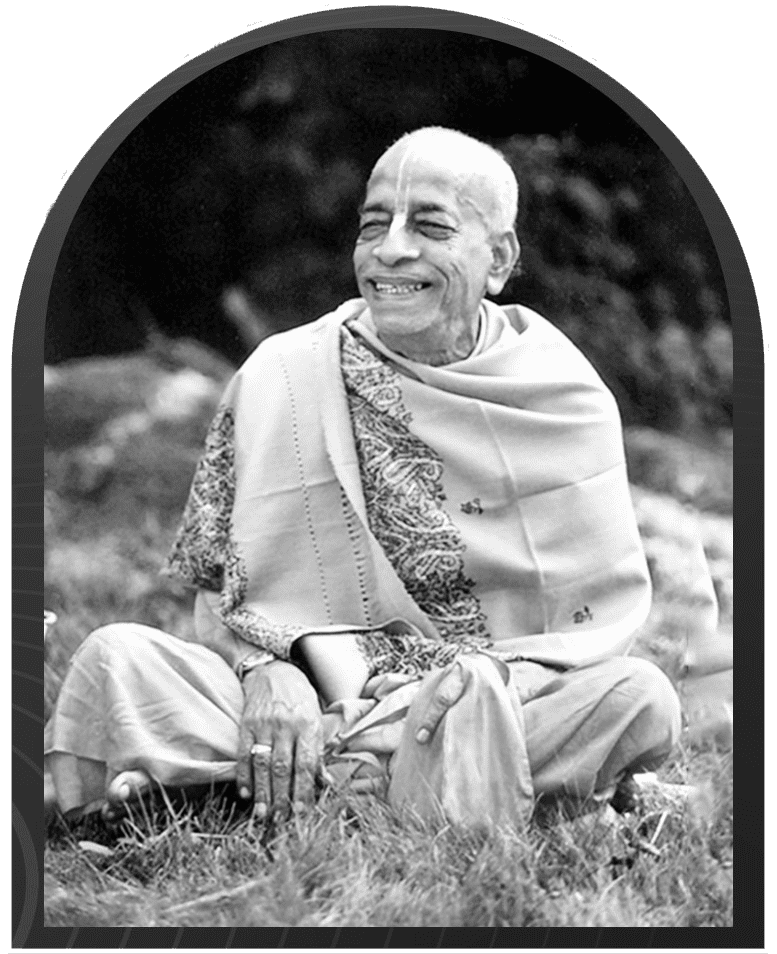
What Srila Prabhupada Says About Shiva Ratri?
Srila Prabhupada says- The Vrindavana cowherd men, led by Nanda Maharaja, once intended to travel to Ambikavana to witness the Siva-ratri event. The rasa-lila was conducted in the autumn, and Holi, or the Dolayatra ritual, came next in importance. One significant celebration of Maha Shiva Ratri, which the Saivites primarily observe as worshippers of Lord Siva, occurs between the Dolayatra ritual and the rasa-lila ceremony. Because they recognise Lord Siva as the preeminent Vaishnava, the Vaishnavas occasionally participate in this ceremony. But the bhaktas, or followers of Lord Krishna, only observe Siva-ratri occasionally.
According to the circumstances, Nanda Maharaja and the other cowherd men “once desired,” according to Srimad-Bhagavatam. It indicates that although they didn’t frequently attend the celebration of Maha Shivaratri, they would occasionally desire to visit Ambikavana out of curiosity.

What is the Story of Unknown Fast?
When speaking about Dharma and taking a nap on a bed of arrows in the Mahabharata’s Shanti Parva, Bhishma mentions King Chitrabhanu’s celebration of Maha Shivaratri. What happens next is the story. On the day of Maha Shivaratri, King Chitrabhanu and his wife once kept a fast. The wise Ashtavakra visited the king’s court.
“O king, why are you observing a fast today?” the sage questioned. Given his ability to recall the events of his past birth, King Chitrabhanu explained.
The king explained to the sage that he had previously been a hunter in Varanasi (Kashi). Suswara was my name, and I made a living by killing and selling animals and birds. One day, the pitch blackness of night engulfed me. I couldn’t get home, so I took cover by climbing a tree. Unexpectedly, it was a bael tree. That day I had shot a deer, but I didn’t have time to bring it home. I wrapped it up and fastened it to a tree branch. I stayed awake all night, tortured by hunger and thirst. I sobbed as I considered how hungry and anxious my wife and kids were to see me again. That evening, I passed the time by picking up bael leaves and dropping them to the ground. “As day broke, I returned to my house and sold the deer. I purchased food for my family and myself. A stranger approached me as I was ready to break my fast and begged for food. I gave him my attention before eating.
When I was about to pass away, I saw two messengers of Lord Shiva who had been dispatched to get me to his abode. I immediately discovered for the first time the enormous benefit I had received from my unconscious adoration of Lord Shiva on Shivaratri night.
They informed me that I had thrown some leaves on the lingam. I bathed the Lingam with tears, pouring out of sheer sadness for my family. I had been on a 24-hour fast. I unwittingly worshipped Lord Shiva. “I have since been born as Chitrabhanu.
Quotes and Slokas From the Scriptures
TEXT 45 of Brahma Samhita chapter five
Translation
I love the primordial Lord Govinda, whose state of Sambhu is a transformation for the carrying out of the work of destruction, just as milk is turned into curd by the action of acids, but the effect curd is neither identical nor distinct from its origin, viz., milk.
In this comparison, Lord Krishna (Vishnu) is compared to milk. Since so many dairy products are descended from milk (Krishna tu bhagavan swayam), Lord Krishna or Vishnu is the source of everything. When Lord Krishna needs Tamo guna activity to be controlled, He expands and changes His tremendous abilities to act in a way that no one else could, and in that state, He becomes Shambu – Shiva. So one can observe that while the milk can turn into yoghurt, it can never turn back into milk again, as stated in Brahma Samhita 5:45.
Conclusion
Keep reading our blogs for more stories and information related to celebration of Maha Shivaratri. Earn some virtue by donating to a cause of your liking and helping ISKCON Dwarka make society a better place for everyone. Hare Rama Hare Krishna!