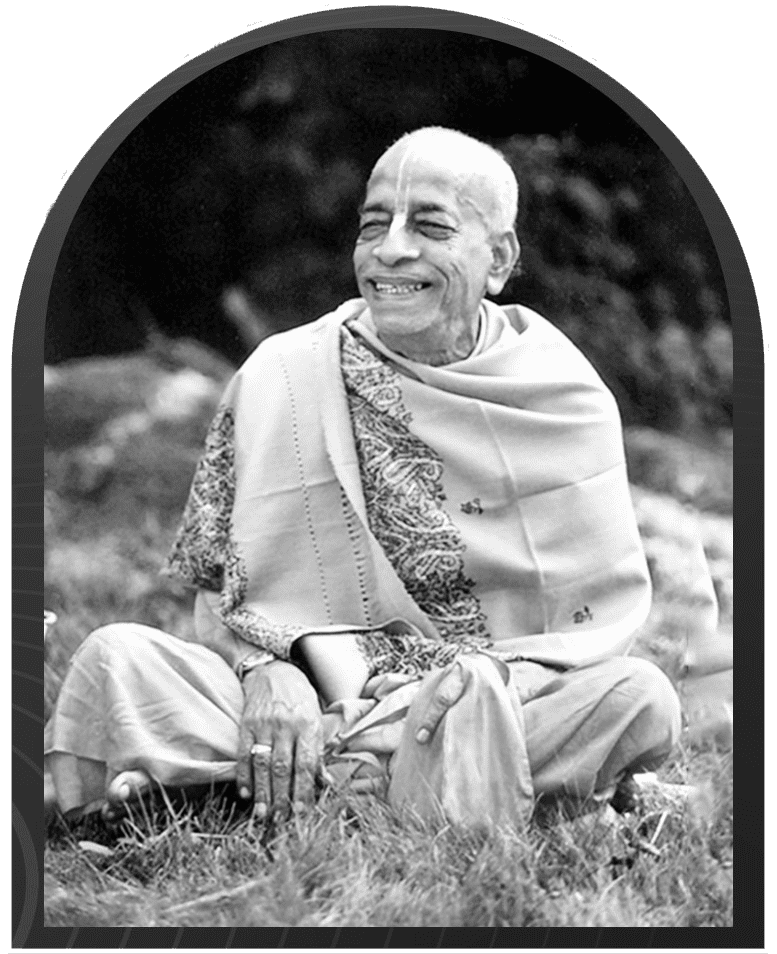

The 16th of Aug 2026, the date of disappearance of Sri Vamsidasa Babaji, is one of the spiritually important days in the Vaishnava calendar and is observed with great enthusiasm by devotees worldwide. Sri Vamsidasa Babaji is a legend in Vaishnavism and a giant in Gaudiya Vaishnavism; He is known to have led a very ascetic life and to have rendered unconditional service to Lord Krishna. He was a shining example of complete surrender, bhakti (devotion), and transcendental realisation in his life. Observing this day offers a sacred opportunity to reflect on his teachings, absorb the essence of his sadhana (spiritual practice), and deepen our commitment to the devotional path.
Sri Vamsidasa Babaji: A Life of Divine Simplicity
Born as Bhairab Chandra in the village of Majitpur in East Bengal (now Bangladesh), Sri Vamsidasa Babaji was drawn to spiritual life from an early age. His spiritual transformation began after he met saintly persons and eventually took shelter under the lotus feet of a bona fide Vaishnava guru. He later renounced all worldly ties and settled in Navadvipa, the sacred land of Sri Chaitanya Mahaprabhu, where he devoted his entire life to bhajan (devotional worship), living in seclusion, detached from society, yet completely absorbed in Krishna consciousness.
Unlike others who seek recognition, Sri Vamsidasa Babaji remained unknown to the general masses for much of his life. He lived in a simple hut with no comforts and maintained strict vows of purity, discipline, and solitude. He avoided public preaching and instead focused on internal spiritual practice, setting an example of how the soul can advance purely through faith, devotion, and complete dependence on Krishna.
His Unique Mood of Worship
Sri Vamsidasa Babaji’s worship of his deities—Sri Gaura, Sri Nitai, Sri Radha-Govinda, and Sri Gopal—was intimate, personal, and deeply spiritual. He spoke to his deities as if they were living beings, engaging in sweet conversations with them. This was not mere ritual; it was lila—a divine, loving exchange between the Lord and His devotee.
It is said that sometimes Babaji would become so absorbed in his worship that he forgot to eat or sleep. At other times, he would chastise his deities with affectionate familiarity, as a mother scolds her mischievous child. Such expressions of divine madness reveal his advanced spiritual state and inspire awe and affection among devotees who hear about his life.
He was also known to exhibit unpredictable and sometimes eccentric behaviour. However, those with spiritual insight understood these actions as the symptoms of his elevated bhava (spiritual emotion). To the material eye, he may have appeared detached or aloof, but his consciousness was constantly immersed in remembrance of Krishna.
How Sri Vamsidasa Babaji Influenced Devotees
Sri Vamsidasa Babaji’s impact on the hearts of sincere seekers was profound. Even though he did not actively preach or initiate disciples, his life became a living sermon. People who came in contact with him were often transformed simply by witnessing his saintly behaviour. Many would receive spiritual guidance through his subtle words or gestures.
He demonstrated that it is possible to live in this world while being completely untouched by it. His life served as proof that inner spiritual wealth outweighs any material possession. Devotees were particularly struck by his humility, his disdain for fame, and his focus on nama-bhajan—the chanting of the holy names of Krishna—as the ultimate spiritual practice.
Traditional Practices for Disappearance Day
Sri Vamsidasa Babaji’s Disappearance Day is celebrated with great devotion. Vaishnavas observe this occasion by engaging in:
- Kirtan and Bhajan: Devotees gather to chant the holy names and sing songs in glorification of Sri Vamsidasa Babaji and Lord Krishna. These sessions are filled with transcendental emotion and create an atmosphere of divine remembrance.
- Scriptural Readings and Kathas: Readings from the lives of great Vaishnava saints, including anecdotes about Sri Vamsidasa Babaji, are shared. Hearing his life stories inspires the audience to strengthen their spiritual resolve.
- Offering Prasadam: Devotees cook offerings with love and devotion, present them to the deities, and then distribute the sanctified food among the congregation. This act not only nourishes the body but also purifies the heart.
- Personal Reflection and Prayer: Devotees spend time in introspection, meditating on the qualities of Sri Vamsidasa Babaji, and praying for the strength to imbibe those qualities in their own lives.
- Visiting Holy Places: Some devotees choose to visit Navadvipa or Majitpur, the sacred places associated with his life. These pilgrimages become a means to immerse themselves even more deeply in His divine presence.
Significance of the Disappearance Day in the Vaishnava Tradition
In the Gaudiya Vaishnava tradition, both the appearance and disappearance days of saints are deeply honoured. Disappearance day is not considered a sad occasion but a spiritual milestone marking the return of a liberated soul to the divine realm. For devotees, it is a day of gratitude and remembrance.
On this day, we do not mourn the physical departure of Sri Vamsidasa Babaji but celebrate the eternal legacy he left behind. His teachings, lifestyle, and divine example continue to inspire future generations. By honouring his disappearance, devotees acknowledge the spiritual lineage and recommit themselves to walking the path he illuminated.
It is believed that offering our devotion on such an auspicious day invokes the blessings of the saint, who continues to guide sincere seekers from the spiritual plane.
Lessons and Spiritual Takeaways
Sri Vamsidasa Babaji’s life is rich with spiritual instructions:
- Unwavering Faith in the Holy Name: Babaji emphasised nama-sankirtana (congregational chanting) as the essence of all devotional practices.
- Humility and Detachment: Despite his exalted position, he lived with minimal needs and never sought recognition.
- Serving the Lord in Simplicity: His worship was intimate and heartfelt, showing that devotion does not require elaborate rituals—only sincerity.
- Bhakti over Rituals: Babaji’s devotion stemmed from the heart, transcending formalities, and centred on his relationship with Krishna.
- Egolessness: He viewed himself as a servant of the servant of the servant, always exhibiting the mood of trnad api sunicena—humbler than a blade of grass.
These teachings are timeless. In an age driven by material ambition and external show, Sri Vamsidasa Babaji’s life calls us back to the essence—pure, loving devotion.
Conclusion: Reawakening Bhakti through Remembrance
Sri Vamsidasa Babaji’s disappearance day is more than a commemoration—it is a sacred portal into his world of unwavering devotion. As Aug 16, 2026, approaches, devotees are invited to reflect on his legacy and imbibe the spirit of surrender, simplicity, and love for Krishna that he so perfectly embodied.
In honouring this divine occasion, we open our hearts to deeper realisations, praying that we, too, can cultivate such one-pointed devotion. Let the life of Sri Vamsidasa Babaji be not just a historical memory, but a living inspiration to chant more sincerely, serve more humbly, and walk the path of bhakti with fearless determination.
His example proves that even in silence, the soul can speak volumes through devotion. May we carry his blessings in our hearts and strive to live our lives as offerings at the lotus feet of Lord Krishna.